Editors-in-Chief
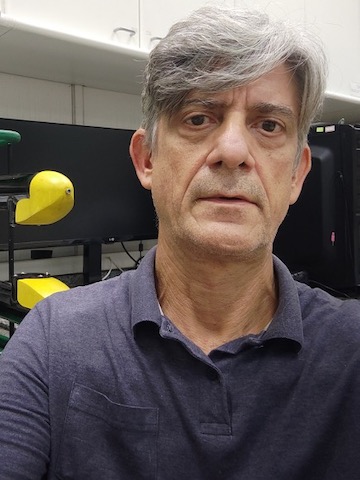
Rubens Mendes Lopes
Professor at the Biological Oceanography Department of the Oceanographic Institute, University of São Paulo. Main research interests are plankton ecology and behavior, and marine environmental monitoring. Currently leads or co-leads research projects dealing with the development and application of imaging systems and computer vision tools for automatic classification of in-situ plankton imagery. Additional research efforts in his laboratory are dedicated to understanding plankton behavioral responses using high-speed cameras and advanced optical systems. As Editor-in-Chief of Ocean and Coastal Research, is committed to promoting the dissemination of results of marine science investigations under the highest standards of scientific publication, with a competent and enthusiastic advisory and editorial board. Is proud to contribute to a long-lasting and respected marine science journal that is both open access and without article processing charges.
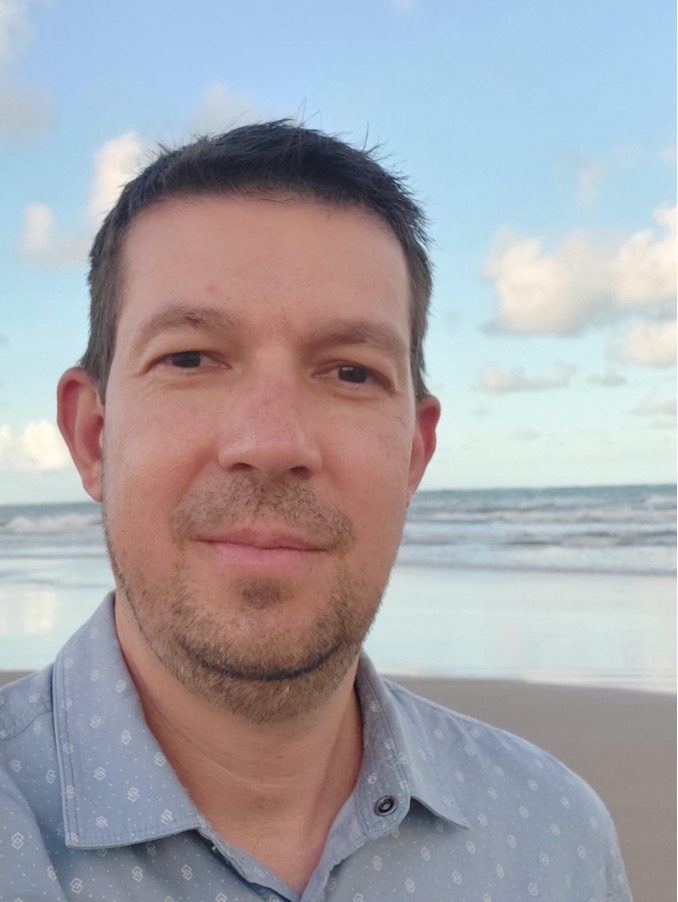
César de Castro Martins
César C. Martins is a Full Professor at the Oceanographic Institute of the University of São Paulo. Expertise encompasses marine organic geochemistry and environmental pollution, with emphasis on the production, transport, and sources of organic matter. Research focuses on natural and anthropogenic organic markers in modern and ancient marine environments, particularly the identification of anthropogenic signals across diverse environmental and climatic settings, including Antarctica. Scientific contributions include reconstructing the historical record of legacy organic pollutants (PAHs, PCBs and pesticides) throughout the Anthropocene and the development of geochemical proxies to assess marine pollution from sewage, petroleum, and related by-products at regional and global scales. Previous academic appointments include Honorary Associate Professor at University College London (UK; February–August 2022) and a postdoctoral fellowship at the Organic Geochemistry Unit, University of Bristol (UK; 2012–2014). He is a member of the Advisory Committee in Oceanography (CA-OC) of the Brazilian National Council for Scientific and Technological Development (CNPq; since 2024) and is a laureate of the Fundação Bunge Award (Youth Category – Oceanography, 2011).
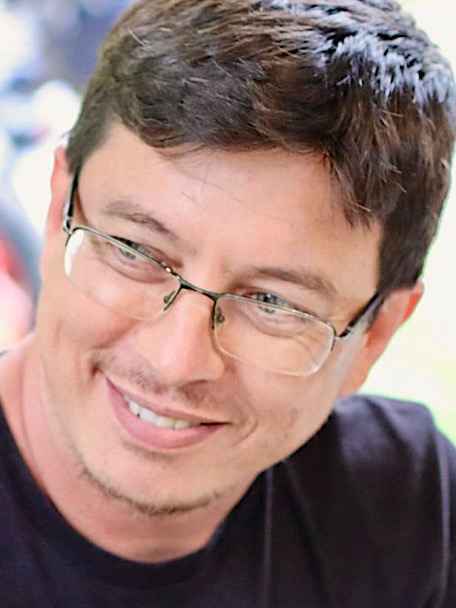
Marcelo Visentini Kitahara
Biological oceanographer specializing in the systematics, evolution, and conservation of anthozoans and other benthic invertebrates. Currently a faculty member at the Center for Marine Biology of the University of São Paulo.
Associate Editors
Abílio Soares Gomes
Full professor at the Marine Biology Department, Universidade Federal Fluminense in Niterói, Rio de Janeiro, Brazil, where he has worked since 1992. Holds the Bachelor’s in Marine Biology, Master’s in Zoology, and the Ph.D. in Biological Oceanography, received in 1994, from the Universidade de São Paulo. Presently Head of the Sediment Ecology Laboratory (EcoSed) and Co-head of the Graduate Program in Ocean and Earth Dynamics. Research interests include population and community ecology and environmental impacts on soft-bottom habitats.
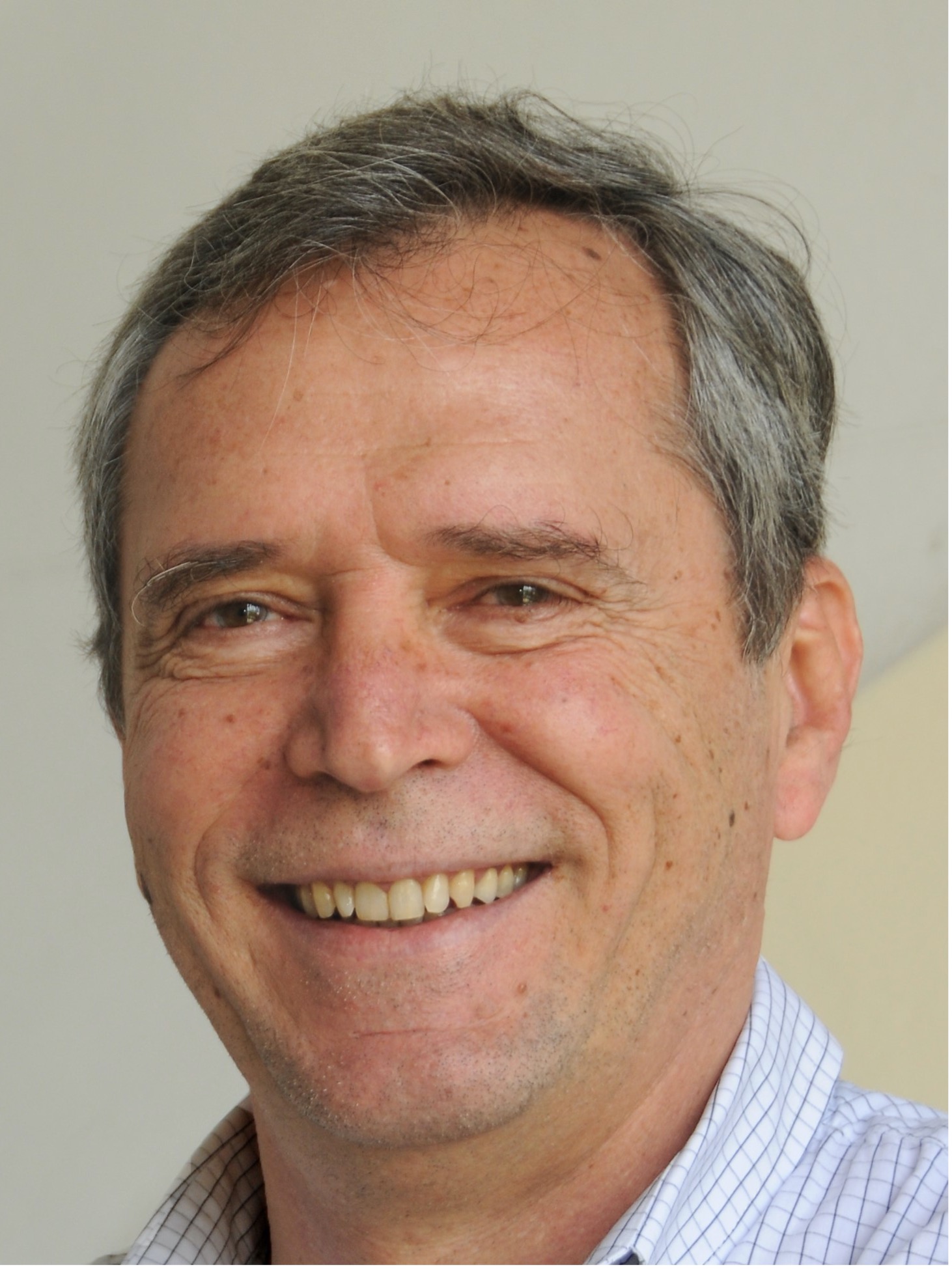
Alberto Piola
Sea-going physical oceanographer, Head of the Ocean Dynamics Section of the Servicio de Hidrografía Naval and Professor of Oceanography at the Universidad de Buenos Aires, Argentina. Currently Chair of the Executive Committee of the South Atlantic Meridional Overturning Circulation initiative (SAMOC). Has published on the large-scale circulation of the Southern Ocean and the South Atlantic. Current research is focused on the meridional overturning circulation and the physical processes leading to enhanced biological productivity. Interested in shelf-open ocean interactions and western boundary currents.
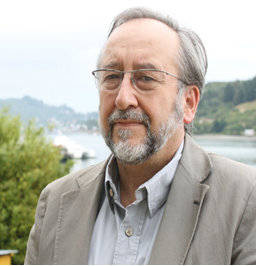
Alejandro Buschmann
Ph.D. from the Pontificia Universidad Católica de Chile, presently a Full Professor at i-mar Research Center at the Universidad de Los Lagos and a senior researcher at the Centre for Biotechnology and Bioengineering. He has published over 140 peer-reviewed papers and book chapters on aspects of coastal ecology and seaweed aquaculture, focusing on the role of integrated multi-trophic aquaculture (IMTA) in sustainable aquaculture development. A member of the Chilean Academy of Sciences, he has served as Director of Research and Graduate School at the Universidad de Los Lagos, as head of i-mar Research Center, and on different scientific panels of the Chilean Science Agency and national certification committees for graduate programs (CAN). He has also served as an industrial consultant for developing seaweed culture and has promoted the use of environmentally sustainable technologies for aquaculture with different world stakeholders.
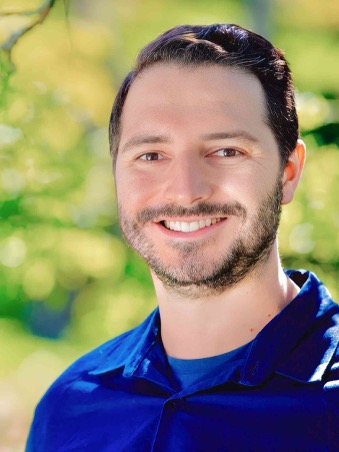
Alex Cabral
Assistant Professor in the Department of Geology at Trinity College Dublin, Ireland. He obtained his PhD in Marine Sciences from the University of Gothenburg, Sweden. His research focuses on groundwater-ocean interactions and their influence on carbon and nutrient fluxes. His work uses isotope tracers and field-based approaches to quantify groundwater discharge, porewater exchange, solute transport, and greenhouse gas emissions. He is broadly interested in chemical oceanography and marine biogeochemistry, particularly the role of coastal systems in alkalinity enhancement, ocean acidification, eutrophication, and carbon fluxes in coastal ecosystems (e.g. mangroves and salt marshes).
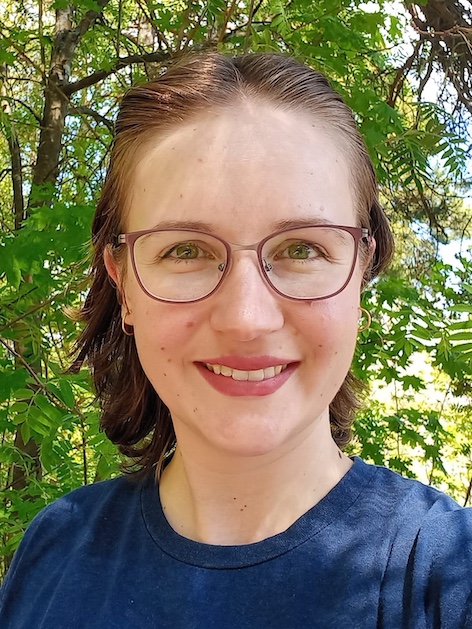
Ana Lúcia Lindroth Dauner
Currently, a Research Scientist in the Environmental Geochemistry Research Group, at the Department of Geosciences and Geography, University of Helsinki, Finland. She holds a degree in Oceanography (2013), a master’s (2015) and doctorate (2019) in Coastal and Ocean Systems from the Federal University of Paraná (Brazil). Her primary research focuses on coastal marine geochemistry, and how the environment affects the fate of organic matter in these transitional zones. She has also experience with environmental pollution, paleoceanography, and numerical model simulations. She has worked with marine, coastal, estuarine and lacustrine environments, from subtropical to polar regions.
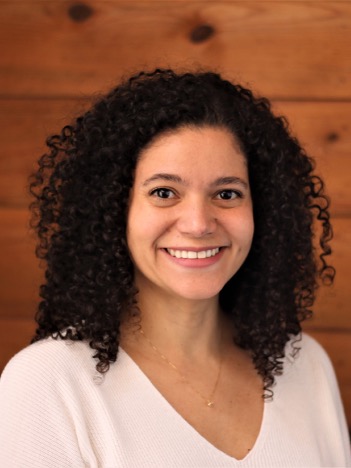
Beatriz S. Dias
I am a Research Scientist at the Cooperative Institute for Climate, Ocean, & Ecosystem Studies at the University of Washington and NOAA Alaska Fisheries Science Center. My research explored the different fisheries harvest strategies under distinct climate scenarios and the impacts to Northern Gulf of Alaska Marine food webs. I have expertise in ecosystem modeling, programming and package development. I hold a bachelor's degree in Oceanography from the Federal University of Pará, Brazil, a masters in Marine Sciences from the Autonomous University of Baja California Sur, Mexico, and a Ph.D in Environmental Conservation, Fish and Wildlife Biology from the University of Massachusetts Amherst, United States. I am a former Post-Doctoral Fellow at the Department of Fisheries, College of Fisheries and Ocean Sciences at the University of Alaska Fairbanks, where my project explored the effects of long term and small pulse disturbances in the Gulf of Alaska Marine food webs. I am also a former Postdoctoral Researcher at the School of Aquatic and Fishery Sciences at the University of Washington. I was part of the project Modelling and stock assessment of Prince William Sound herring (in the Gulf of Alaska) lead by Dr. Branch. My research investigated the drivers of herring spawning phenology. My Ph.D. project, under the orientation of Dr. Jordaan at the Department of Environmental Conservation at the University of Massachusetts Amherst, had two main components: temporal analysis and the spatial analysis of marine ecosystems. It included analyzing the impacts of forage fishes biomass restoration in the Northeast US marine ecosystem, with the objective to reconnect watersheds and ocean. Several studies have focused on anadromous fish habitat restoration; however, few have talked about the effects of the increase in anadromous forage fish biomass on marine ecosystems. Thus, my main research goal is to answer the “what if” question regarding alosine biomass restoration. The second component, spatial management of species of concern in Northern Brazil, developed tools for the Soure Marine Extractive Reserve management plan design.
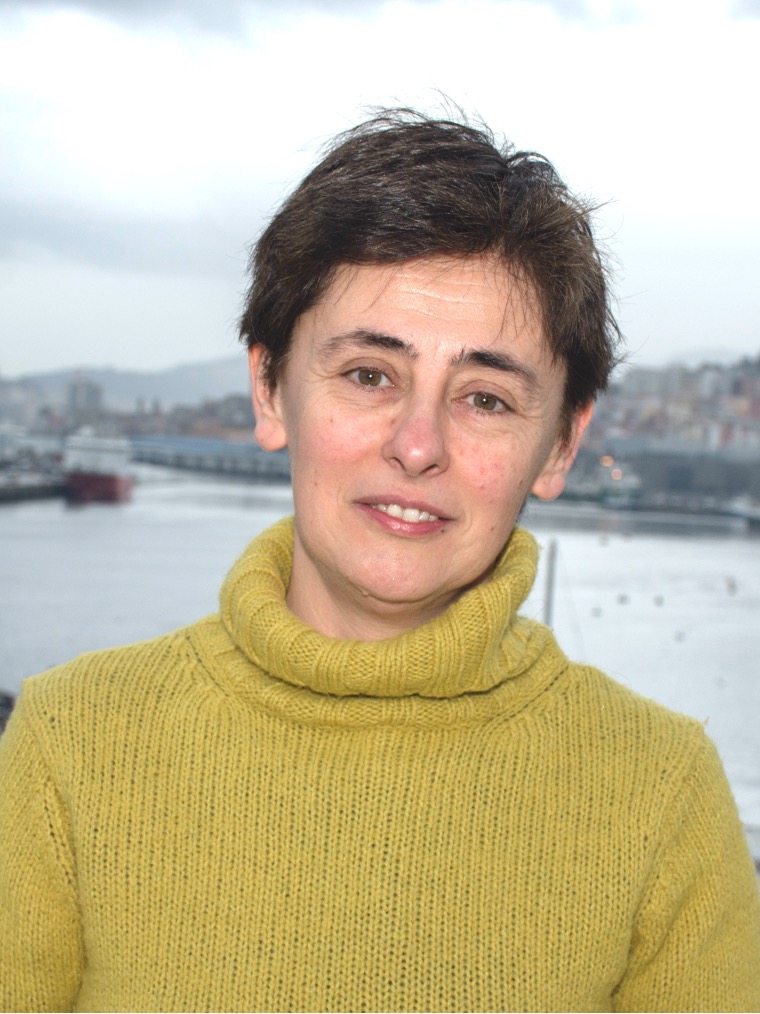
Carmen Gonzalez Castro
Oceanographer at the Instituto de Investigaciones Marinas (IIM –CSIC), Vigo, Spain. Scientific interest is focused on the study of marine biogeochemical cycles in coastal upwelling systems, seeking to determine the potential routes of transformation and fluxes of organic matter in these ecosystems and the physical, biological, and biogeochemical processes that modulate them. The overall purpose is to use this knowledge, both processes and the factors that modulate them, to advance understanding of the ecosystem response to global change.
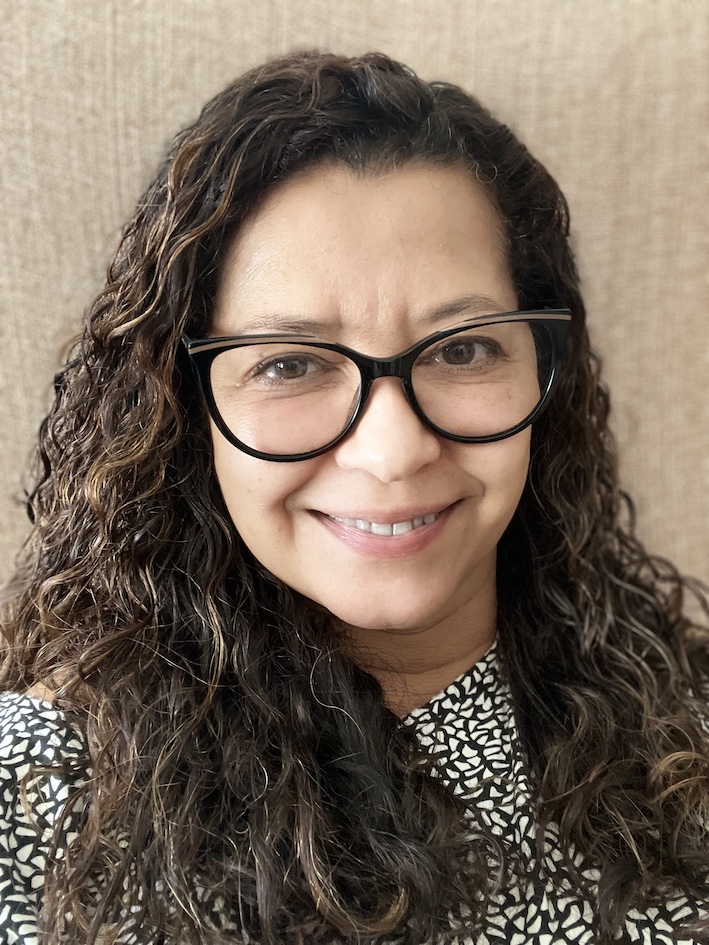
Cinthya Simone Gomes Santos
She holds a degree in Biological Sciences from the Federal University of Sergipe (1994), a master’s and doctorate in Zoology from the Federal University of Paraná (1996 and 2001), and a postdoctoral fellowship at Auburn University, USA (2016). Since 2006, she has been an Associate Professor at the Fluminense Federal University, where she also served as Coordinator and Vice-Coordinator of the Biological Sciences program (Bachelor’s and Licentiate) for 12 years. She is currently Vice-Director of the Institute of Biology and a permanent faculty member of the Graduate Program in Marine Biology and Coastal Ecosystems. Her research expertise is in Zoology, with a focus on the systematics and ecology of polychaetes.
Cintia Organo Quintana
Associate Professor at the Department of Biology, University of Southern Denmark (SDU). My research is focused on the interlinks between marine biodiversity and ecosystem functioning, investigating impacts of eutrophication, pollution, losses of habitats and climate change. I explore in-depth ecosystem services provided by the biodiversity of coastal and marine ecosystems such as food-web support, natural coastal protection, and climate regulation in terms of carbon storage and greenhouse gas emissions. In applied sciences, I conduct research and give advice in several projects using nature-based solutions as restoration of marine ecosystems and their mutual and potential benefits to biodiversity and society accounting as well as with climate mitigation and adaptation actions.
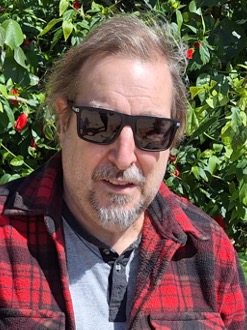
Diego Lercari
Professor at the Laboratory of Marine Sciences, Faculty of Science, University of the Republic of Uruguay. Specialized in marine ecology, with a focus on both fundamental and applied aspects. His research spans multiple organizational levels, from individuals to ecosystems, with an emphasis on coastal and intertidal environments. He has made significant contributions to understanding sandy beach communities and ecosystems, analyzing biodiversity patterns and their relationships with human impacts. Additionally, he has applied ecosystem-based trophic models to assess ecosystem status and simulate different scenarios, including the effects of marine protected areas, fisheries management regimes, and climate variability. His work supports informed decision-making for the ecosystem-based management of coastal and marine resources.
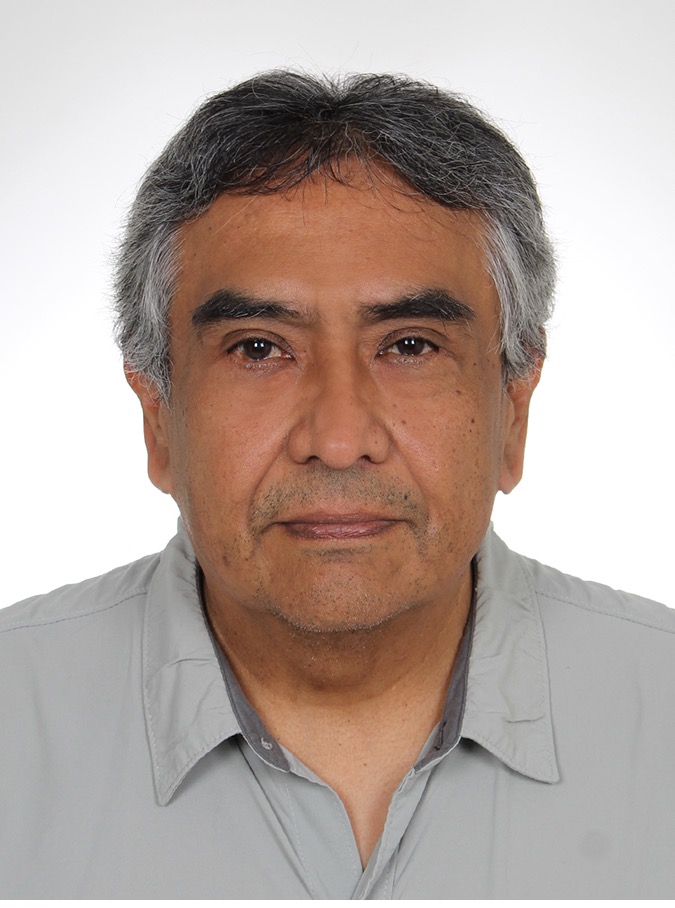
Eduardo Santamaria del Angel
Oceanologist from the Faculty of Marine Sciences (FCM) at the Autonomous University of Baja California (UABC). He holds a Master's degree in Biological Oceanography from the FCM-Institute of Oceanological Research (IIO) at UABC and a doctorate in Coastal Oceanography from the same institution. From August 1985 to February 2023, he served as a Professor-Researcher at FCM-UABC, having since retired from UABC. He was an active member of the Phytoplankton Ecology research group at FCM-UABC from 1992 to 2023, leading this group from 2008 until his retirement.Additionally, he was part of the PhytOPlankton EcologY tEeam (POPEYE) research group from 1986 to 2023. He is a member of the Antares Marine Monitoring Network, GEO-CIEHLYC, AMERIGEOSS and the Mexican Agency for Antarctic Studies. Representing Mexico, he participates in the Pole2Pole subprogram under the MBON program of AMERIGEOSS. Since 1992, he has been part of the National System of Researchers (SNII) of SECIHTI, Mexico, achieving the status of National Researcher Level 3. His research interests include coastal oceanography, remote sensing oceanography, synoptic oceanography, ocean color, marine optics, phytoplankton ecology, primary organic productivity, oceanographic data analysis, marine monitoring, and spatiotemporal variability. Currently, since September 2023, he has been working as a Marine Optics and Ocean Color Specialist in the Coordination of the Coastal Marine Information and Analysis System (SIMAR) at the National Commission for Knowledge and Use of Biodiversity (CONABIO). In this role, he focuses on the development of SIMAR through projects that integrate marine biodiversity information systems with early warning mechanisms. This involves analyzing multi-scale data derived from in situ sampling, satellite observations, climate models, and geospatial information.
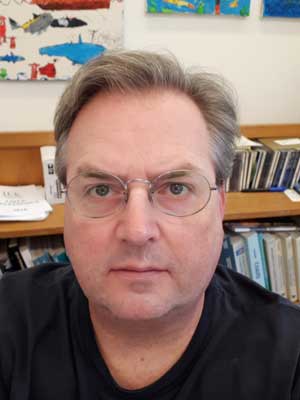
Eduardo Siegle
Professor and Dean of the Oceanographic Institute - University of São Paulo (IOUSP), São Paulo, Brazil, where he leads the Coastal Dynamics research group. His work aims to better understand the complex interaction between the forcing conditions and the behavior of the coastal environment at various spatial and temporal scales.
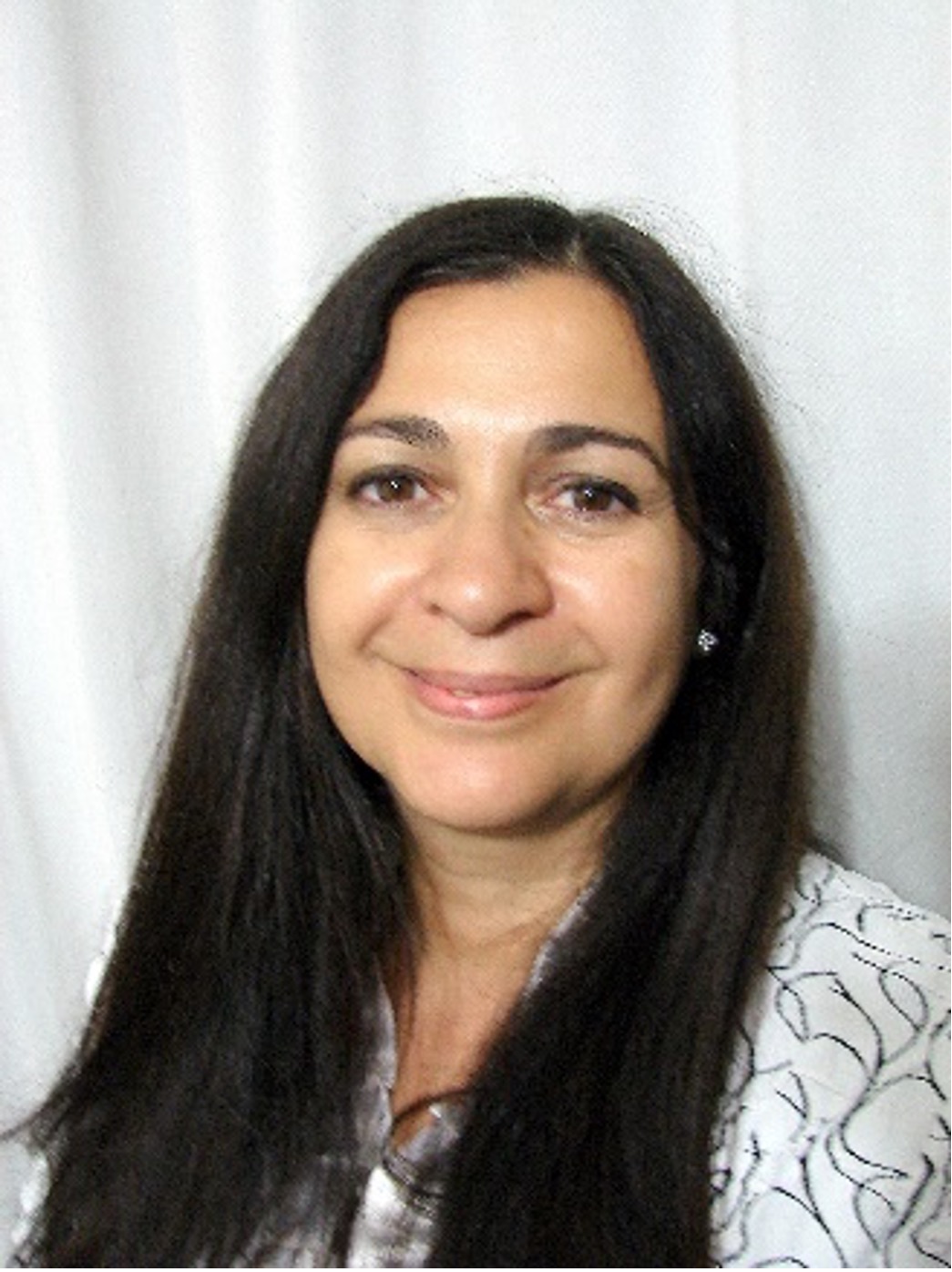
Elisabete de Santis Braga
Full Professor in Chemical Oceanography at the Department of Physical, Chemical and Geological Oceanography since 1988 at the Oceanographic Institute - University of São Paulo (IOUSP), Brazil. Received a Master’s in Physical Oceanography (IOUSP) and a Ph.D. in Biological Oceanography (IOUSP) with an interim (sandwich) research period at the Occidental Brittany University (UBO-France) in Chemical Oceanography. Main subject of research is biogeochemistry, focusing on biogeochemical cycles of nutrients, micronutrients and tracers in ocean and coastal systems, the carbon cycle, primary production, trace metals, marine pollution, water masses, and geochemical processes. Has also conducted research dedicated to marine biochemistry and ecotoxicology. Conducts Atlantic Ocean studies, with participation in the WOCE Program (Romanche 1, CITHER 1 and 2, ETAMBOT Projects), Beagle, SAMOC and SAMBAR Projects, and the PROANTAR Program. Formerly Director of the Museum of Sciences - University of São Paulo (MC-USP).
Fabrizio Frontalini
Associate Professor at the Department of Pure and Applied Sciences (DiSPeA), Urbino University, Italy. Main research activity, with more than 120 publications, focuses on recent benthic foraminifera as environmental bioindicators of pollution and as oceanographic, environmental, and climatological proxies. Recent research has been devoted to laboratory experiments to better calibrate the application of benthic foraminifera in pollution biomonitoring by using standard and molecular ecology analyses. His work has been recognized with the “Maria Umberta Corrado Delmonte” by the Italian Society of Protistologists, the “Alan Higgins Award” by The Micropaleontological Society, and the “Giorgio Dal Piaz” by the Italian Geological Society. He was awarded the prestigious “Debut in Research Prize” ENI Award, and the Gold Medal, conferred by the Italian President Giorgio Napolitano in 2011. Member of the Board of Directors of the Micropaleontology Press Foundation, Flushing, New York. Since 2008, he has been the Scientific Co-Director of the International School on Foraminifera www.isf.tmsoc.org/

Fernanda Giannini
Associate professor at the Oceanography Institute of Federal University of Rio Grande (FURG), Brazil. Currently is a member of the Phytoplankton Laboratory, and leads the research on Bio-optics and Ocean Colour Remote Sensing. Interested in coastal processes and how the biogeochemical dynamics affects the performance of ocean colour sensors in these water bodies. Coordinates the Remote Sensing branch of the ReNOMO Project (Brazilian Network for Ocean Observing and Monitoring), and other projects in the field. Also interested in phytoplankton ecology, photo-physiology and primary production processes.
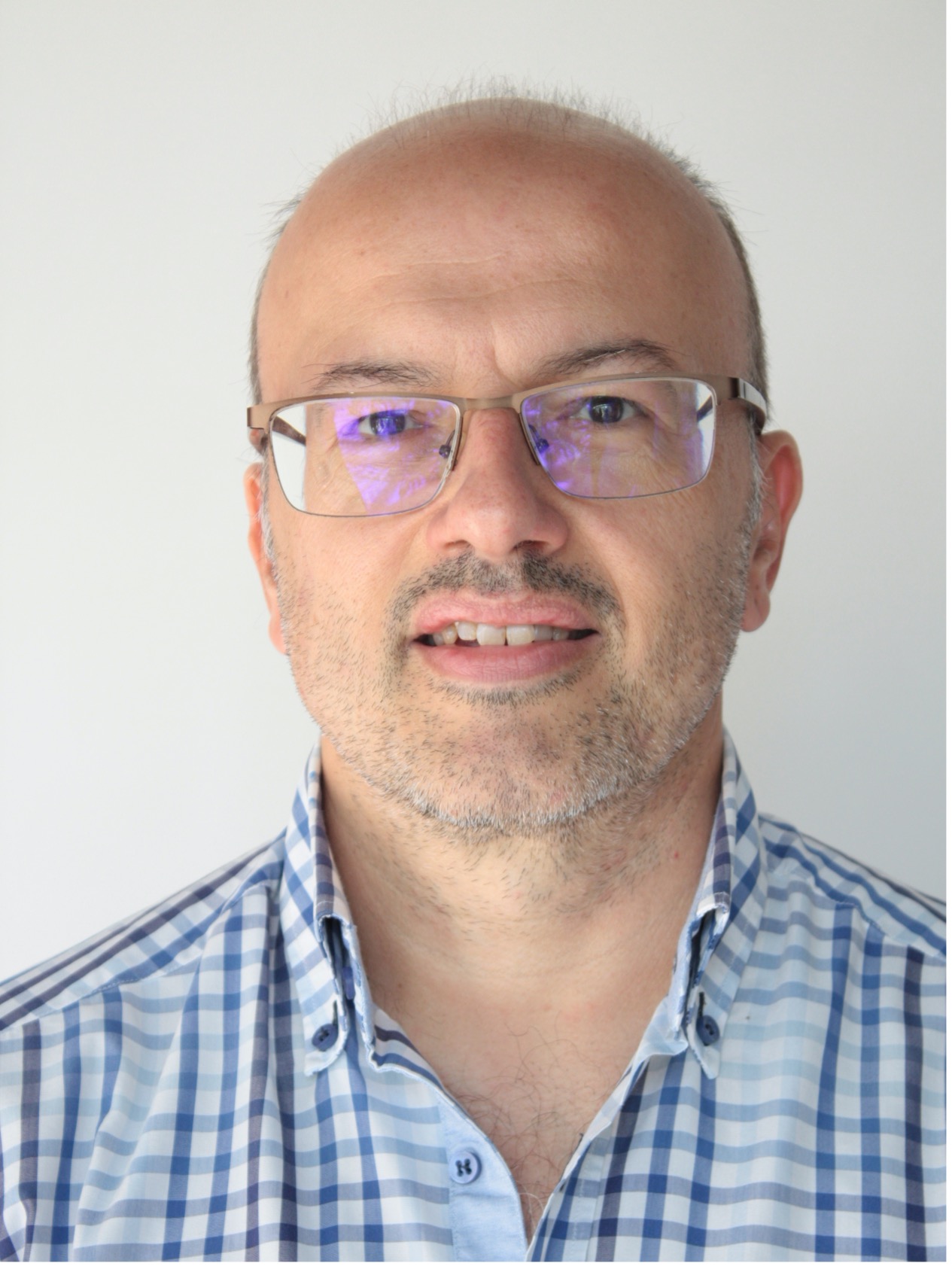
Francesc Maynou
Tenured researcher at the Spanish National Research Council (CSIC) since 2007, with the category “Scientific Researcher”, based at the Marine Science Institute, Barcelona, Spain. Scientific research interests focus on the structure, dynamics and conservation of marine living resources, with specific attention to higher trophic levels that are directly or indirectly affected by human activities in marine ecosystems. Since receiving the Ph.D. degree in 1995 in Marine Science at the Polytechnic University of Catalonia, has participated in the production of 140 scientific contributions in indexed journals, as well as 10 contributions as book chapters and 21 publications in non-indexed journals. Has participated in numerous national and international research projects and supervised 8 Ph.D. theses. Served as scientific editor in the peer-reviewed journals Scientia Marina and Marine Biology Research.
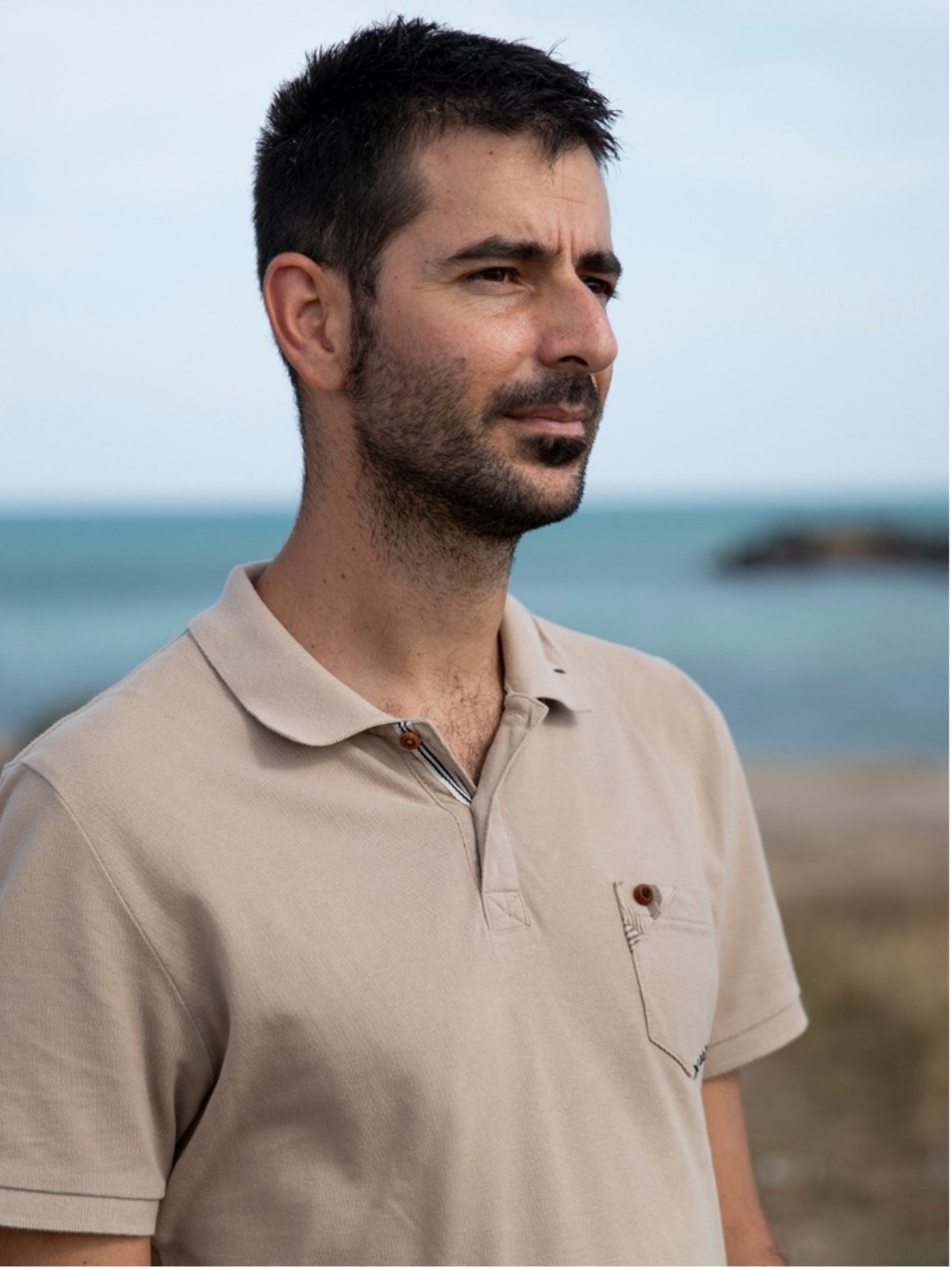
Francesco Tiralongo
Researcher at the University of Catania, Italy, where he where he teaches Zoology and Fishery Biology. His research focuses on coastal fish communities, with particular interest in cryptobenthic and benthic species, as well as on the ecology and biology of elasmobranchs. He is the scientific coordinator of the AlienFish project, dedicated to the study and monitoring of rare and non-indigenous fishes in Italian waters through citizen science. His work also explores biological invasion processes in the Mediterranean Sea, addressing the ecological implications of alien species on native communities. Also engaged in fisheries science, with experience in both professional and recreational fisheries, he has contributed to over 150 peer-reviewed scientific publications and authored two books on Mediterranean fish fauna.
Hans G. Dam
Professor at the University of Connecticut, Groton, Connecticut, USA. Biological oceanographer interested in plankton ecology and evolution. Current work focuses on copepod adaptation to warming and acidification, and reciprocal grazer-toxic prey interactions.
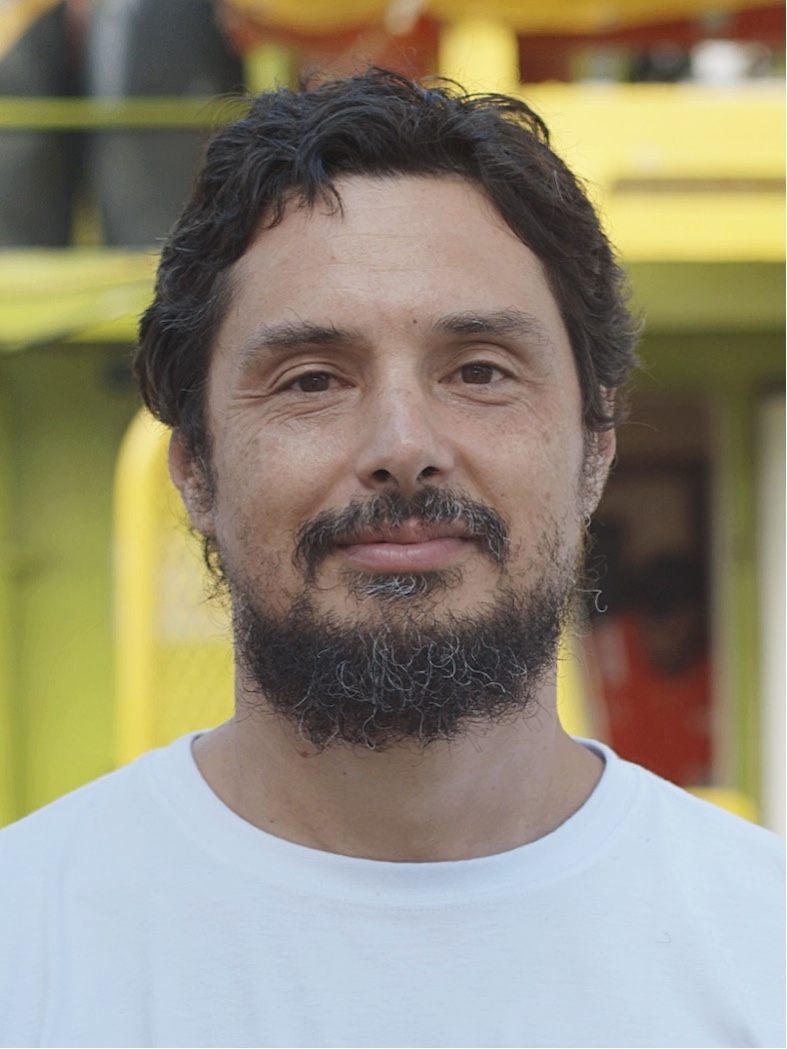
Hudson T. Pinheiro
Assistant Professor at the Center for Marine Biology (CEBIMar), University of São Paulo (USP). His research centers on fish biodiversity and conservation, with a particular focus on reef ecosystems, oceanic islands, and mesophotic reefs.
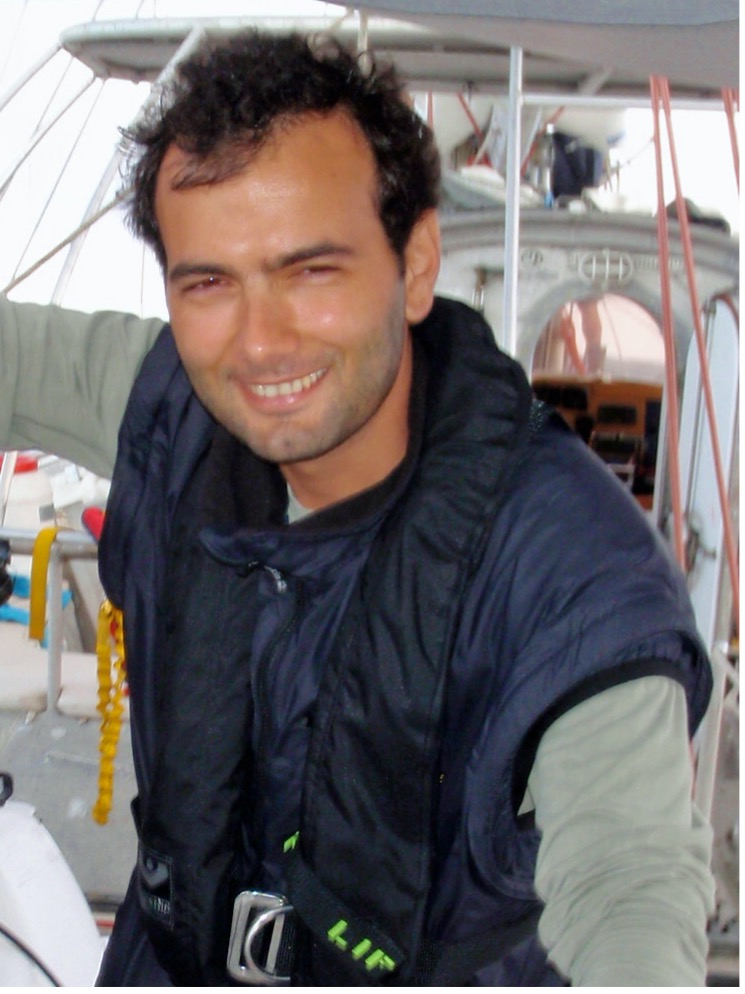
Hugo Sarmento
Professor at the Department of Hydrobiology of the Universidade Federal de São Carlos (UFSCar), Brazil, and Head of the Laboratory of Microbial Processes and Biodiversity. His research area is aquatic microbial ecology, with emphasis on biotic interactions and the structure and function of planktonic communities in all compartments of the trophic network (viruses, bacteria, phytoplankton, zooplankton) in aquatic ecosystems.
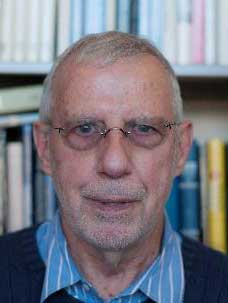
J. Rudi Strickler
Born and raised in Switzerland. In 1969, received the Dr.sc.nat. at the Swiss Federal Institute of Technology in Zurich (ETH-Z). Has held faculty positions at Johns Hopkins University, Yale University, University of Ottawa, University of Southern California, Boston University, and currently the University of Wisconsin-Milwaukee. Research on the biology-physics intersection at the temporal and spatial scales of the zooplankton.
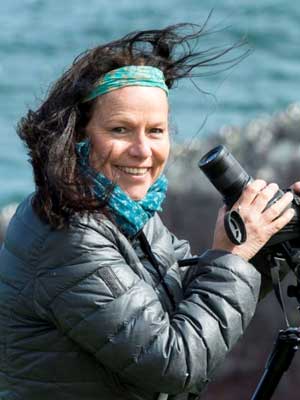
Karen Diele
Professor of Marine Ecology at the School of Applied Sciences at Edinburgh Napier University, Edinburgh, Scotland; aligned with MASTS – The Marine Alliance for Science and Technology for Scotland. Focuses on conservation, restoration, and management of coastal ecosystems, on the life cycles and functional ecology of associated benthic marine invertebrates and their behavioural and physiological responses to environmental change. Ecosystems particularly interested in mangrove forests, seagrass meadows and biogenic reefs. Descriptive and experimental laboratory/field approach to answer fundamental biological and ecological questions and to deliver conservation, management, and livelihood solutions.
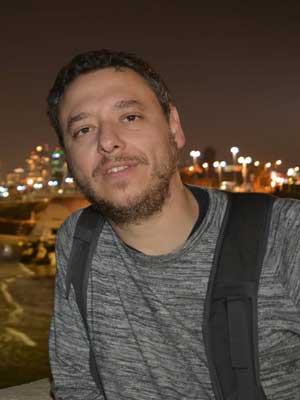
Leandro Ponsoni
Physical oceanographer and cryosphere and climate researcher, currently working at the Georges Lemaître Centre for Earth and Climate Research (TECLIM), Université catholique de Louvain (UCLouvain), Louvain-la-Neuve, Belgium. Main research interests are the processes linked to ocean-ice-atmosphere interactions, and large- and mesoscale ocean circulation. In his current project (Sea Ice Linkage), supported by FNRS – Fonde de la Recherche Scientifique, Leandro is investigating the role of sea ice as a connector across scales between the wind- and density-driven ocean circulations. Broadly involved in multidisciplinary studies, for which his research contributes to the understanding of a broader picture.
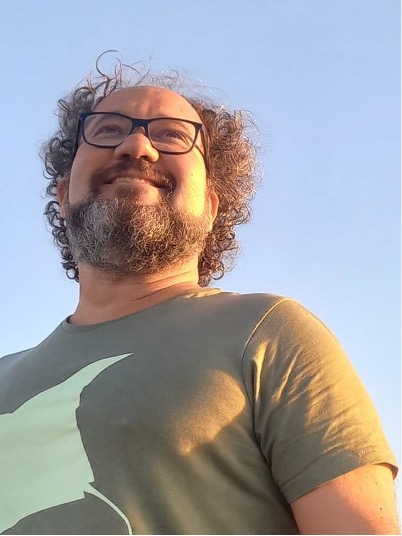
Maikon Di Domenico
Professor at the Center for Marine Studies, Federal University of Paraná (UFPR), since October 2015, he has served as Coordinator of the Ocean and Coastal Systems Graduate Program (PGSISCO) from 2020 to 2021 and as Coordinator of the Bachelor's Degree in Oceanography from 2021 to 2025. He is a research fellow with the Brazilian National Council for Scientific and Technological Development (CNPq). His primary research focuses on using marine organisms, particularly benthic microscopic animals, as adaptive-biological models within interdisciplinary frameworks that integrate zoology, oceanography, and ecology. His work emphasizes the combined application of methodologies such as morphology, genetics, and ecological biomarkers to advance the understanding of benthic biodiversity shortfalls, particularly in marine ecosystems.
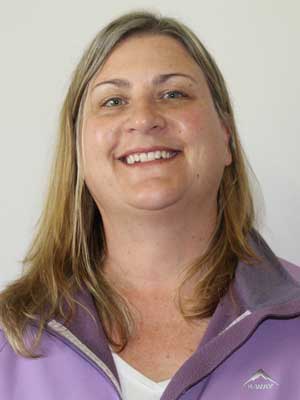
Margit Wilhelm
Senior lecturer at the Department of Fisheries and Aquatic Sciences, University of Namibia, Henties Bay, Namibia. Research interests include population dynamics of fisheery resources, and her recent work focuses on long-term trends in fisheries data in relation to climate change and fishing.
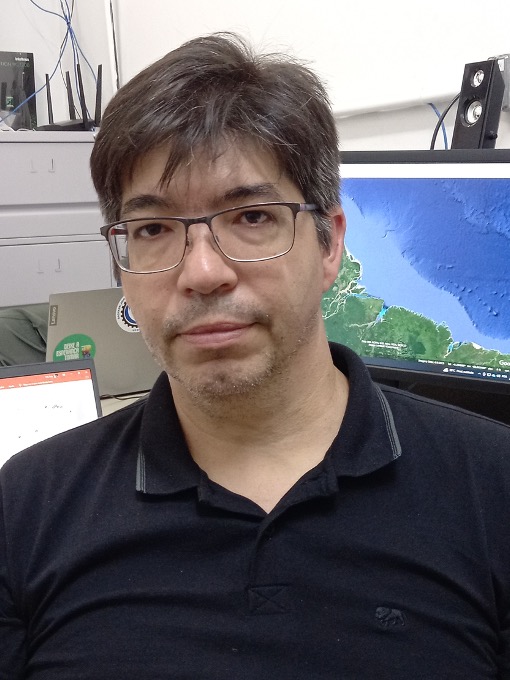
Nils Asp
Full Professor at UFPA where he has been working since 2005. Oceanographer graduated from FURG in 1996, a master's degree in Marine Geology (UFRGS – PPGGeo 1999), a PhD in Coastal Geology (University of Kiel/Germany 2004) and post-doctorates in Coastal Geomorphology (UNIVALI & WHOI/EUA 2006) and Oceanography (UW/EUA 2018). He is a CNPq Research Fellow, having published dozens of articles and book chapters, mostly in high-impact international journals. His research focuses mainly on sedimentary dynamics and coastal geomorphology, and on the genesis and evolution of environments on the continental margin, especially in the region of the mouth of the Amazon River. At his University UFPA, Nils E. Asp is part of the Postgraduate Programs in Environmental Biology (PPBA), Geology and Geochemistry (PPGG) and Oceanography (PPGOC), having supervised dozens of postgraduate students. Presently focuses on education of junior fellows of the Fisheries Biology Laboratory. Has been working in the fields of Fisheries Biology and Oceanography. Current major research themes include biological mechanisms behind climate impacts on population dynamics of small pelagic fish, growth and survival dynamics during the early life stages of fish, and density-dependent and density-independent processes in the life history of fish.
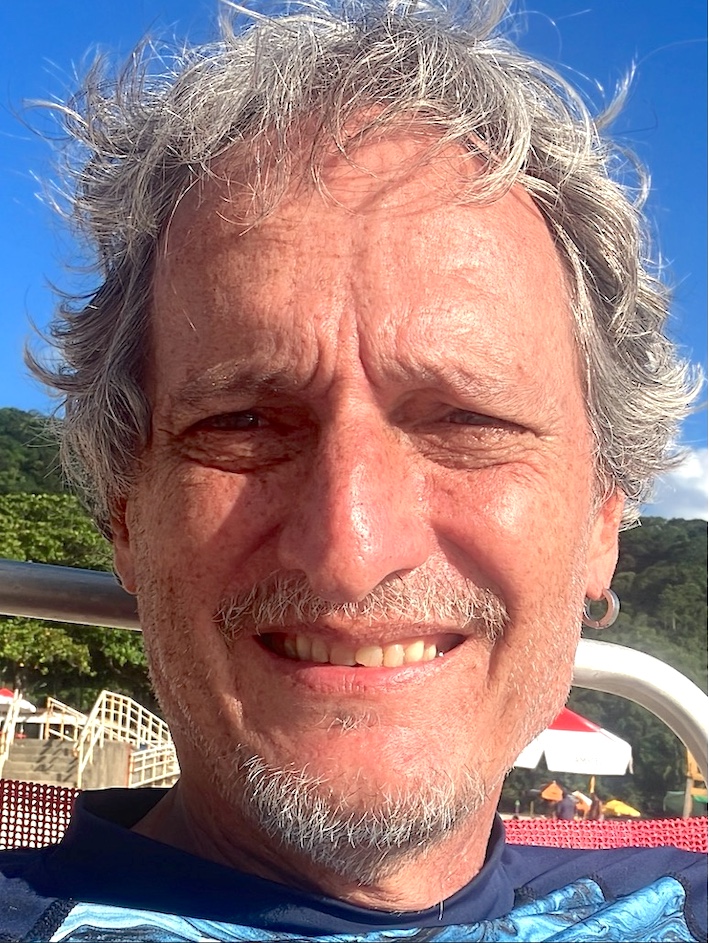
Paulo Paiva
Has a degree in Biological Sciences from the University of São Paulo (1985), a master’s and a Ph.D. degree in Oceanography (Biological Oceanography) from the University of São Paulo (1990 and 1996), and a postdoctoral fellowship from the Smithsonian Tropical Research Institute in Panama (2004). Currently is a Full Professor at the Federal University of Rio de Janeiro. He has experience in the fields of Zoology, Marine Ecology, and Oceanography, with a focus on the following topics: polychaete systematics, marine phylogeography, benthic ecology, and the ecology of polychaetes.
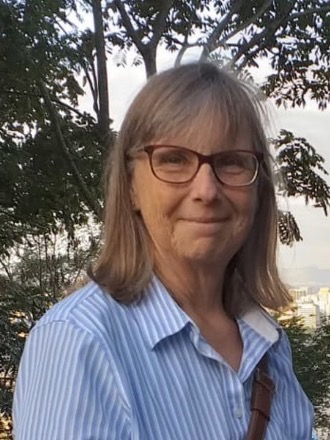
Petra Lenz
Petra Lenz received her B.A. degree in Biology from the University of California San Diego in 1976 and her Ph.D. in Biological Sciences from the University of California Santa Barbara in 1983. While at UCSB, she returned to her native Brazil to work on a project investigating nutrient cycling in an Amazonian várzea lake. She joined the research faculty of the Pacific Biosciences Research Center at the University of Hawaii Manoa in 1990, where she started a career studying the physiological ecology of planktonic organisms. Her early work included the first quantitative measurements of sensitivity of copepod mechanoreceptors and the discovery of myelin in some but not all copepods. More recently, she has explored the world of ‘omics for non-model species, generating molecular resources for marine copepods. Motivated by global climate change and documented changes to zooplankton distributions, she is using environmental transcriptomics to understand acclimatization and life-history adaptations in sub-arctic copepods.
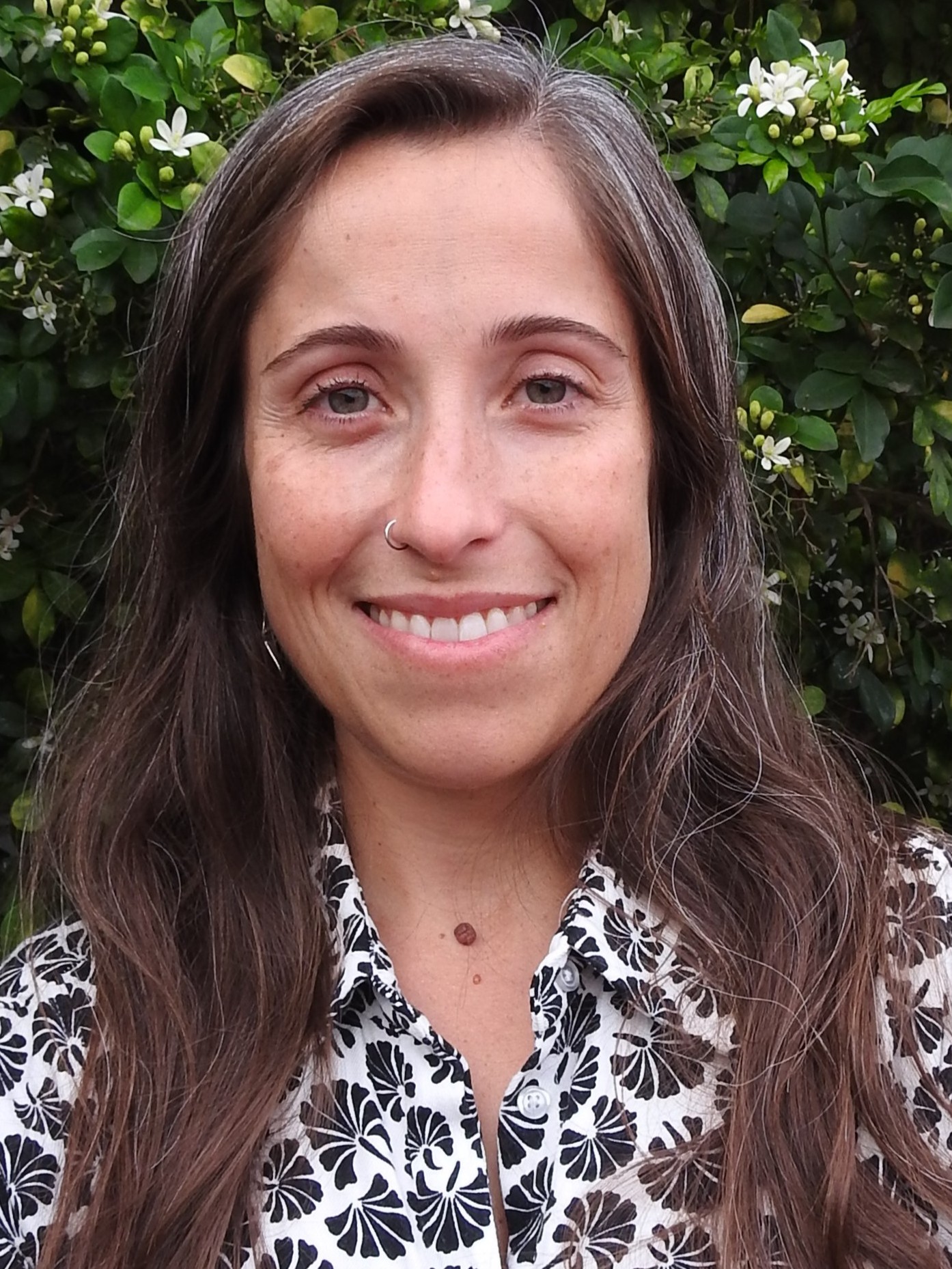
Rita M. Franco-Santos
Marine scientist, currently working as the project manager of engagement programs and training initiatives at the Minderoo OceanOmics Centre at the University of Western Australia. Expertise covers various fields of marine research, such as benthic and invertebrate (zooplankton) ecology, energy transfer, aquaculture, pollution, and trace and heavy metals, and applicable physiological, chemical, elemental, isotopic, and biochemical methodologies. Projects have encompassed polar, temperate, and tropical systems in four continents, and current research focuses on carbon pathways in kelp forests, including the potential for these ecosystems to contribute to carbon sequestration and climate mitigation, and on krill feeding ecology. Has significant experience with scientific publishing, including as a Raelyn Cole Editorial Fellow with the journal Limnology & Oceanography Letters, published by the Association for the Sciences of Limnology and Oceanography (ASLO). Is a Member-at-Large in the ASLO Board of Directors, and the lead coordinator of the Australia & New Zealand Node of the UN Ocean Decade Early Career Ocean Professionals (ECOP) Programme.
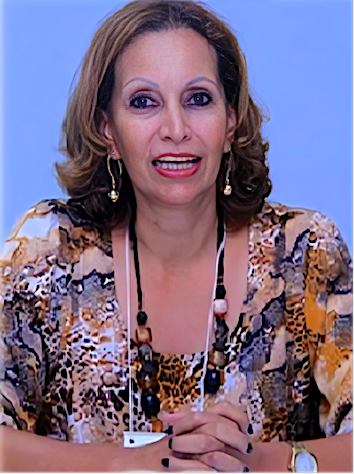
Rosangela Lessa
Full professor at the Fishing Department, Universidade Federal Rural de Pernambuco, Brazil, where he has worked since 1990. Holds a Bachelor’s Oceanology , a Doctorat d' État (D.SC. equivalent) at Université de Bretagne Occidentale, in Brest, France. Presently Heads the Population Dynamics Laboratory (DIMAR) acting in three Master and Doctorate Programs. Research interests include fish population dynamics, fish conservation mostly regarding elasmobranchs.
Managing Editor
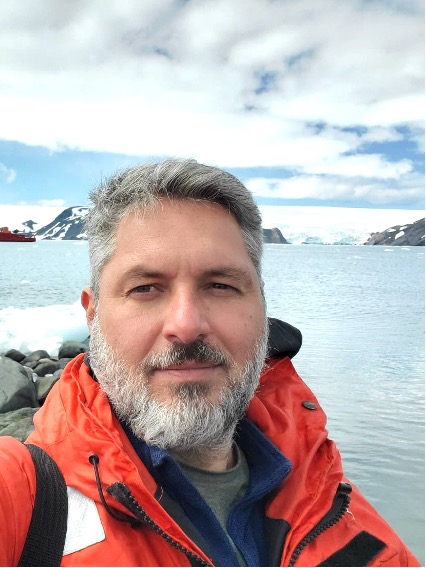
Arthur Ziggiatti Güth
Biologist at the Oceanographic Institute – University of São Paulo (IOUSP), Brazil, with an MSc in Ecology from Universidade Estadual de Campinas. Experienced in benthic ecology, marine habitat mapping, and deep-sea research, with a strong background in rocky shore ecology, benthic communities, crustacean taxonomy, and coral reef ecosystems. Recent work includes Antarctic and deep-sea research utilizing advanced oceanographic technologies, such as autonomous landers, remotely operated vehicles (ROVs), and autonomous deep-sea sampling devices. Passionate about marine ecology, statistics and the development of innovative methodologies for exploring and understanding marine ecosystems.
Assistants to the Editor-in-Chief
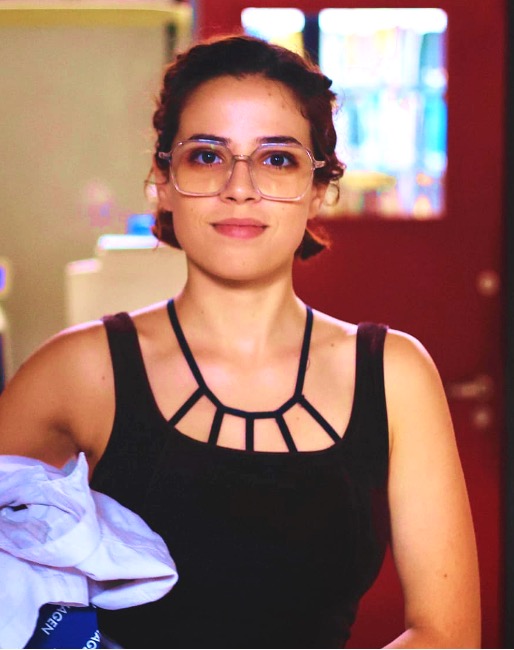
Maria Eduarda Castro do Nascimento
Biologist with a background in marine microbiology and bioinformatics. Currently, a PhD candidate at the Oceanography Institute - University of São Paulo, Brazil. Research interests include marine extremophiles, chemosynthetic metabolisms, microbial ecology, and microbial bioinformatics, with a focus on metabolic modeling to assess the habitability of ocean worlds.
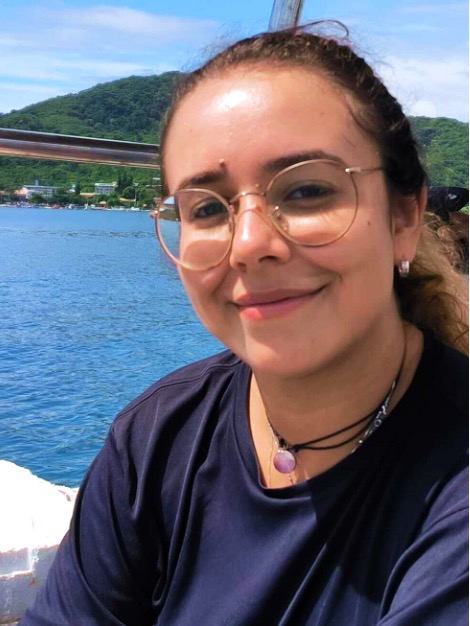
Ana Luiza Portezani Brandão
Biologist with a background in environmental and marine sciences. Currently a direct PhD candidate at the University of São Paulo (USP), working in Biological Oceanography with a focus on extremophilic microorganisms. Research interests include microbial community composition in subsurface cave environments and the deep ocean, as well as microbial ecology and evolution in extreme environments.